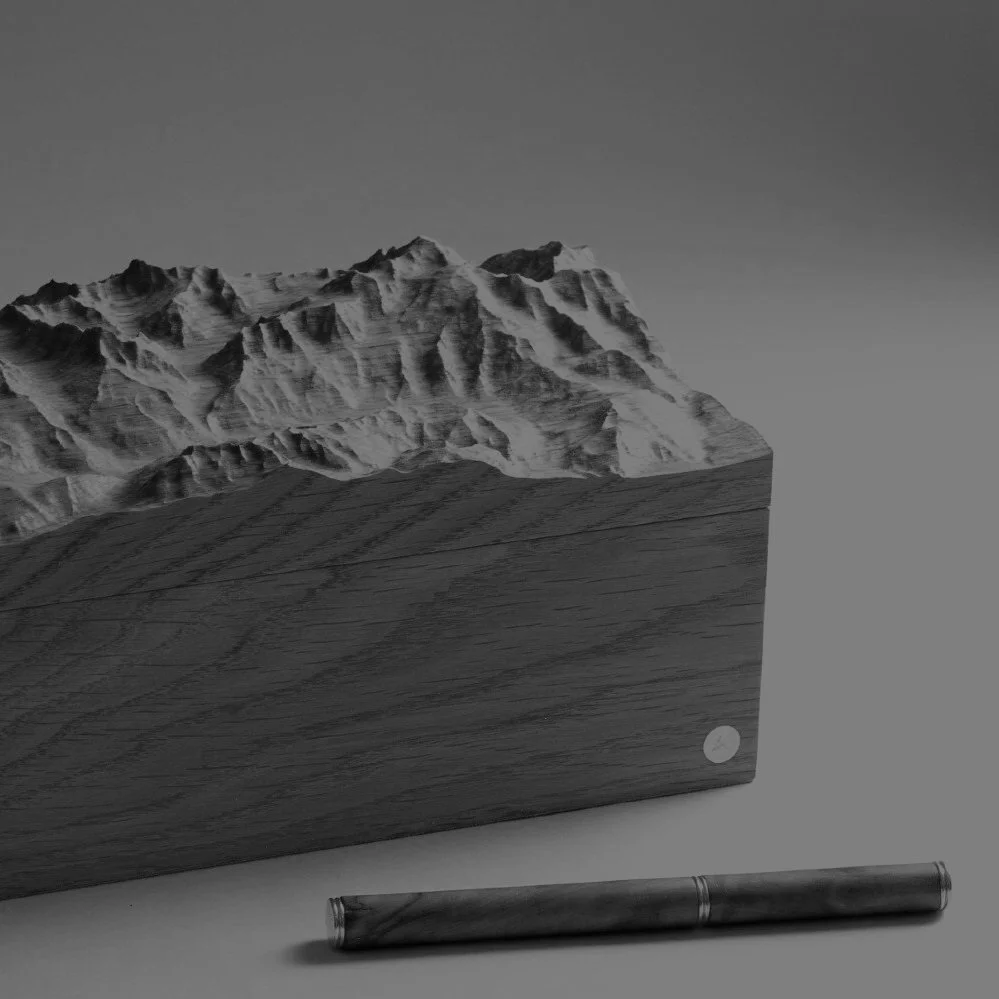
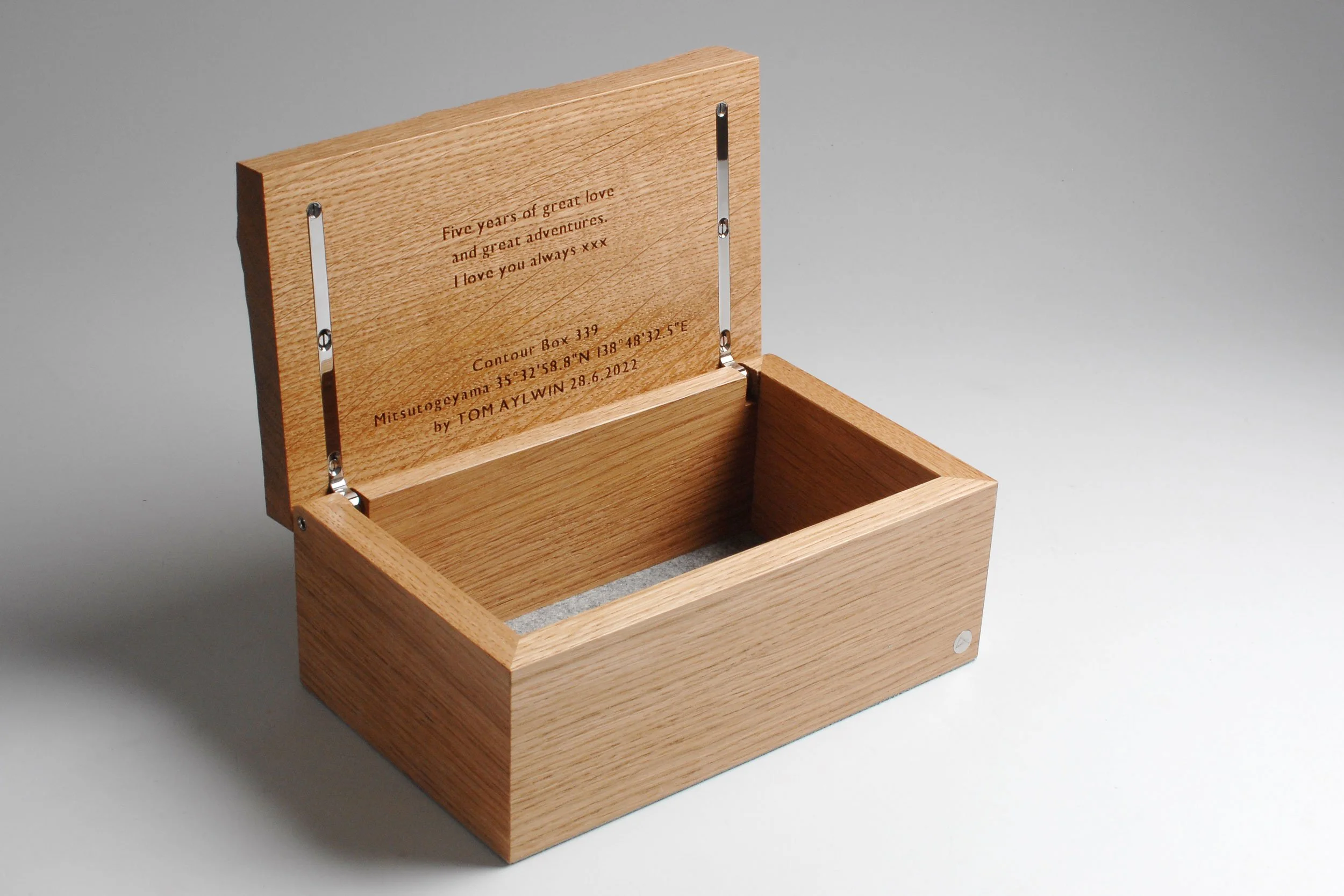
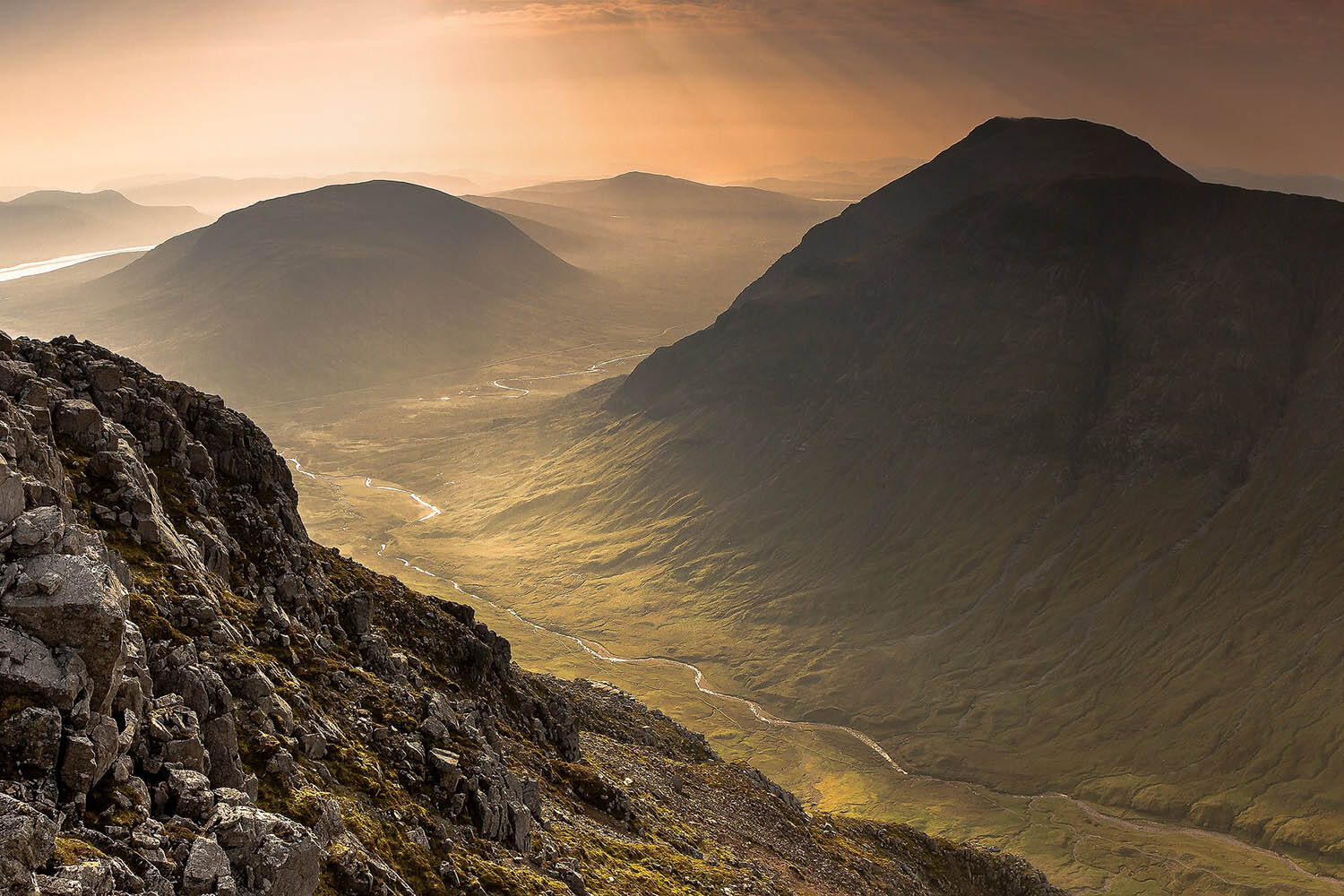
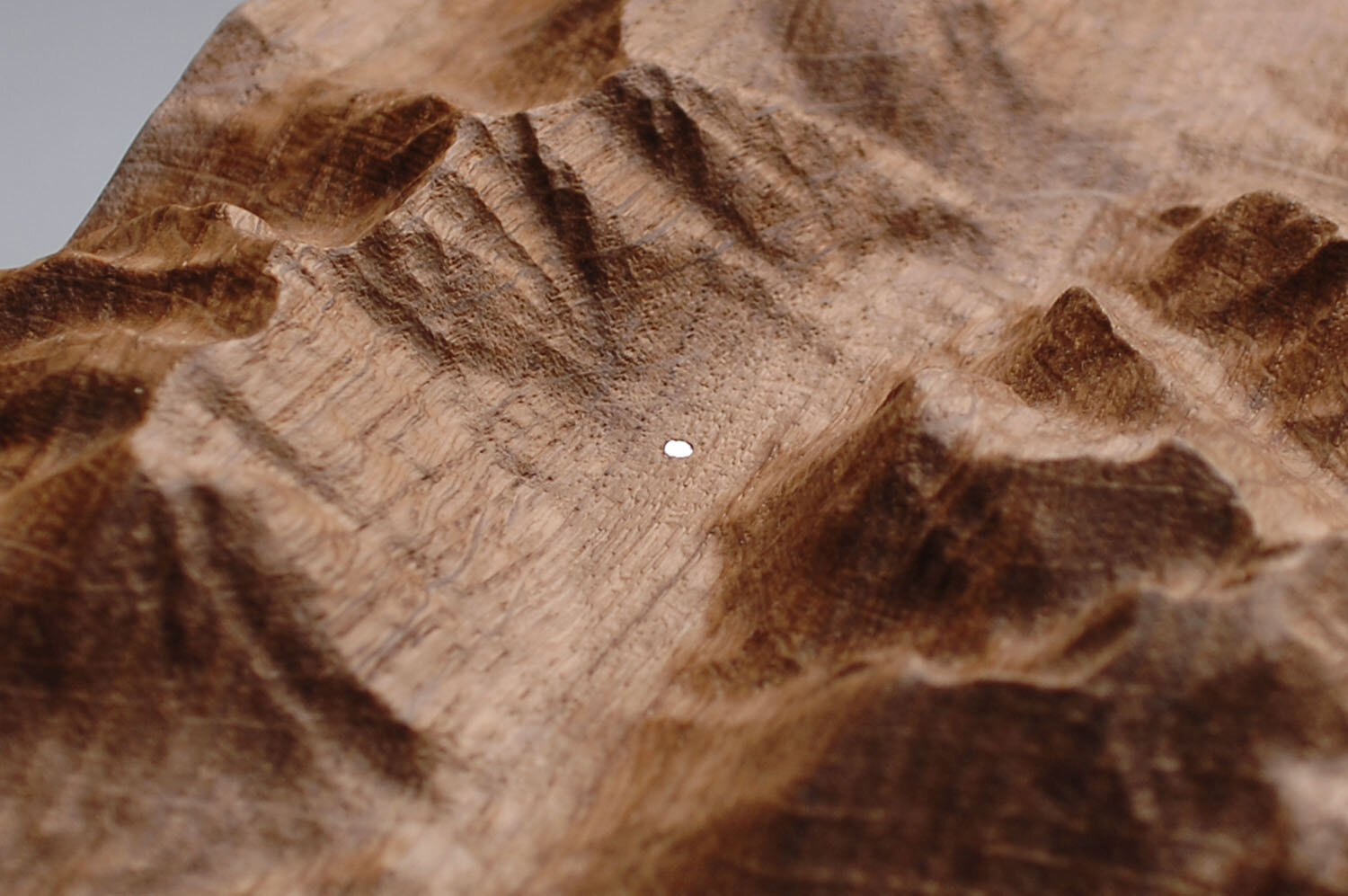
Contour Boxes are carved with your specially chosen landscape; hand-made from English oak and embedded with a silver pin to mark a specific location. Perfect for anniversaries, weddings, significant birthdays or simply to mark a family home. A beautiful reminder of somewhere special.
from £795
Made in 3-4 weeks
worldwide delivery
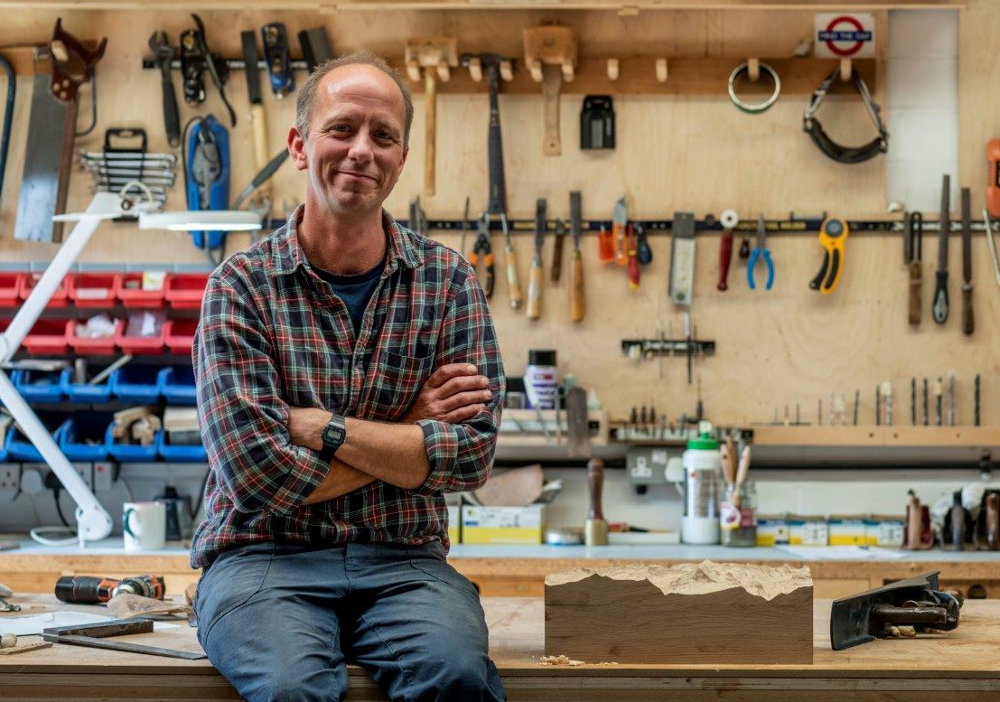
“Contour Boxes are my fusion of oak, topography and your story about a special place.”
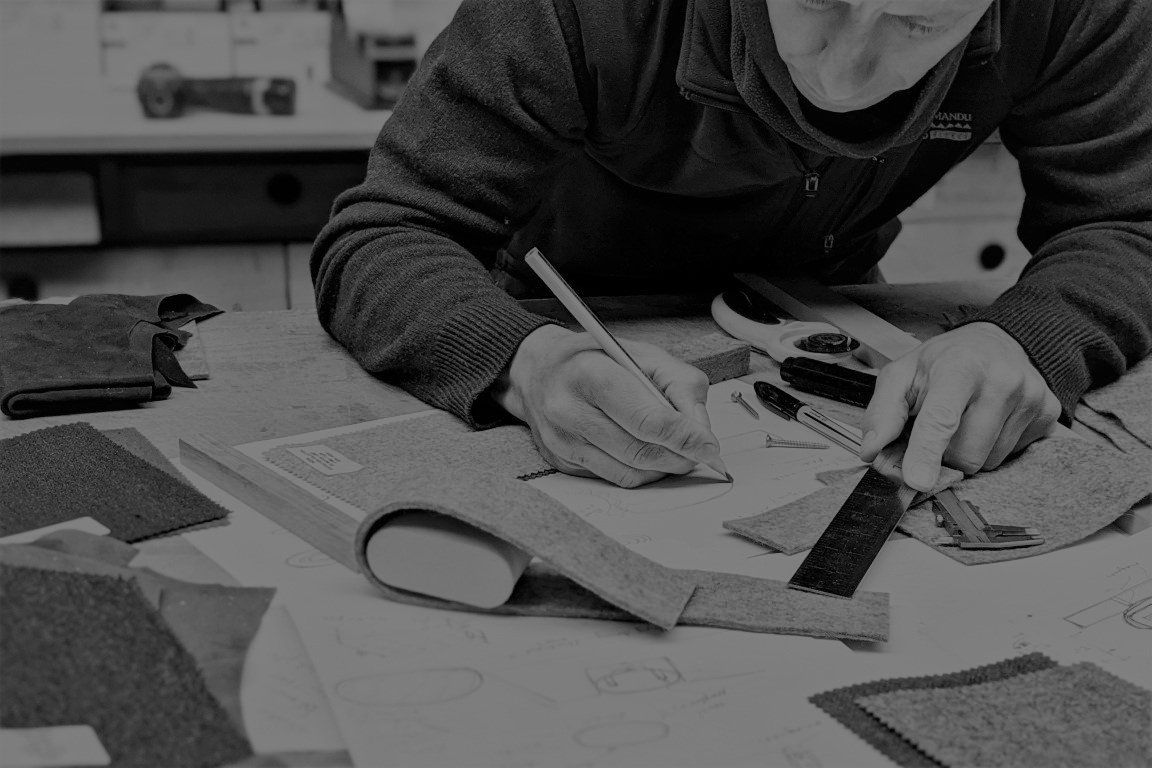
“Whatever your story, the way you tell it will be forever changed with one of my boxes! A bold claim, but after nearly 10 years of pouring my heart and soul into Contour Boxes this is what keeps me going. I only ever want to create meaningful objects. English oak is my medium, time and place are my context, your story is the subject. So tell me your story and I will make you a box to really treasure.”
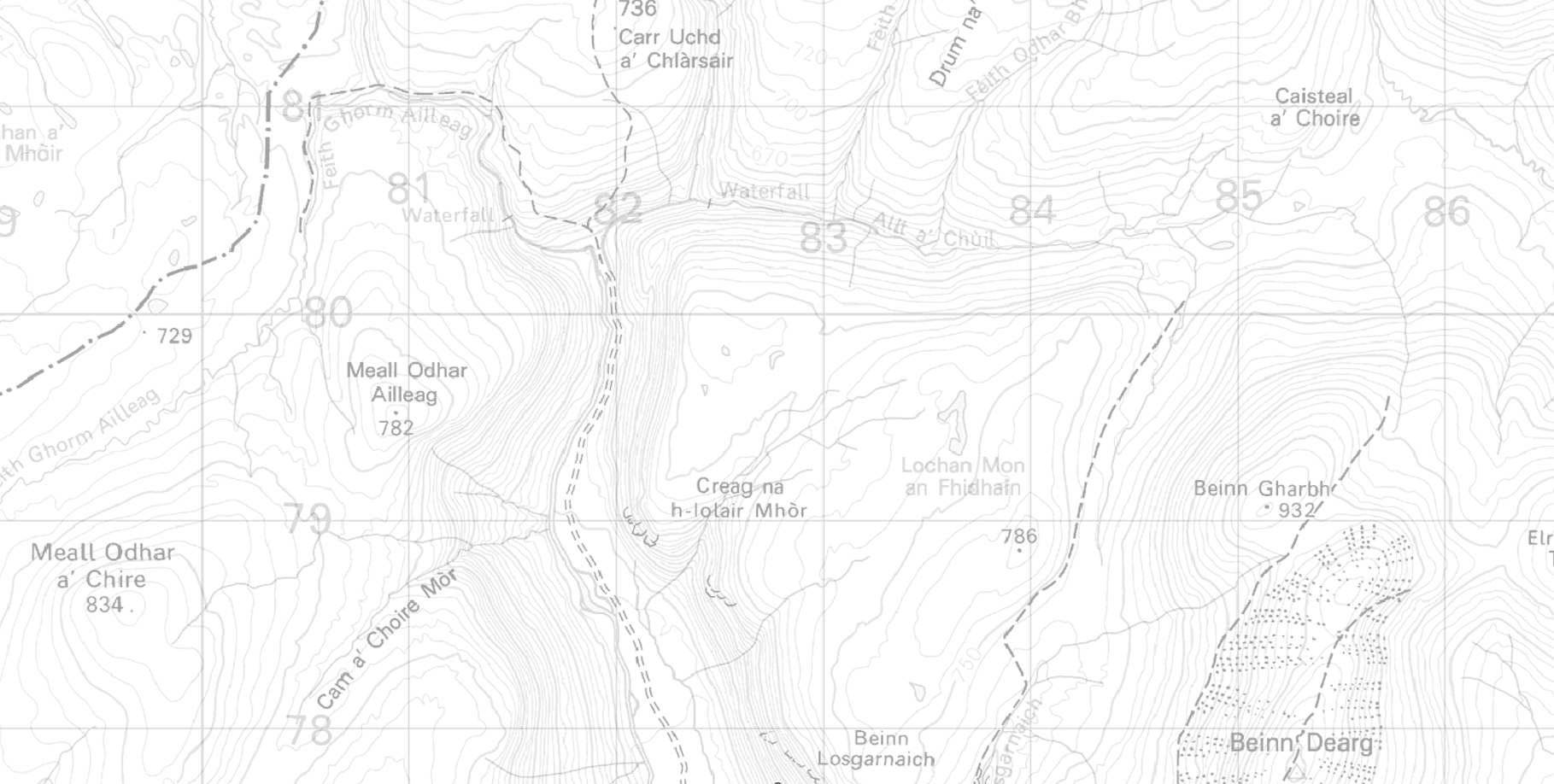
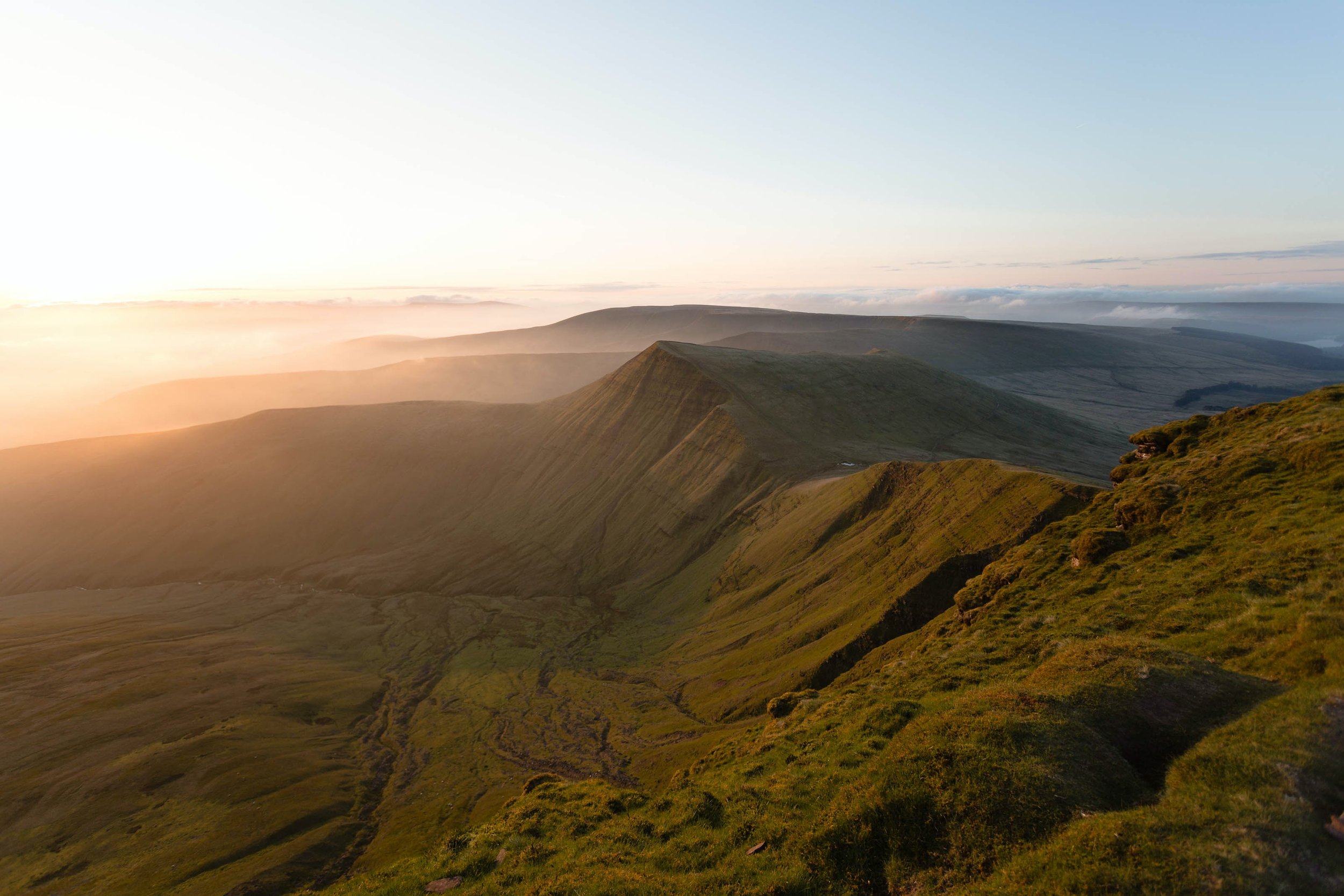
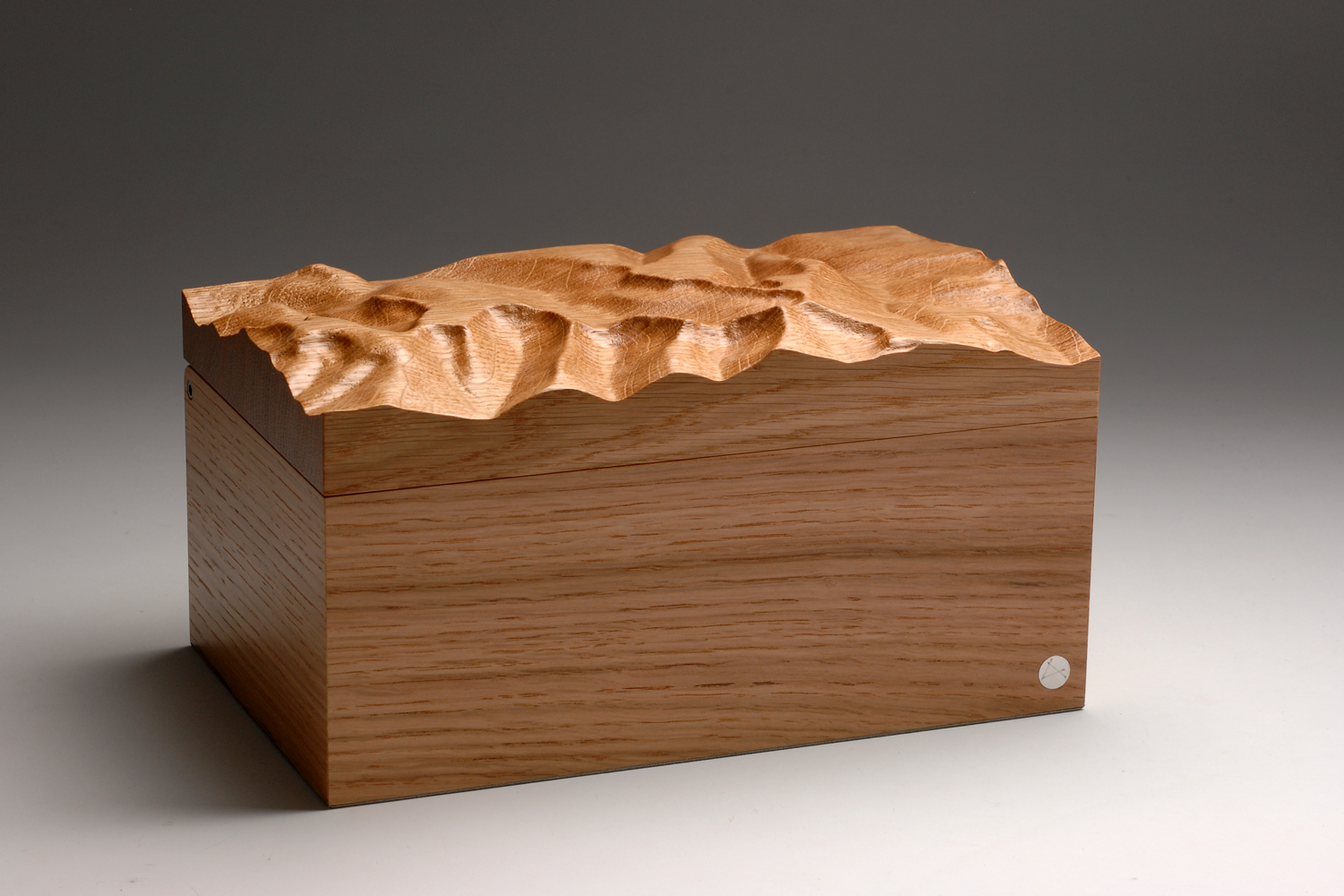

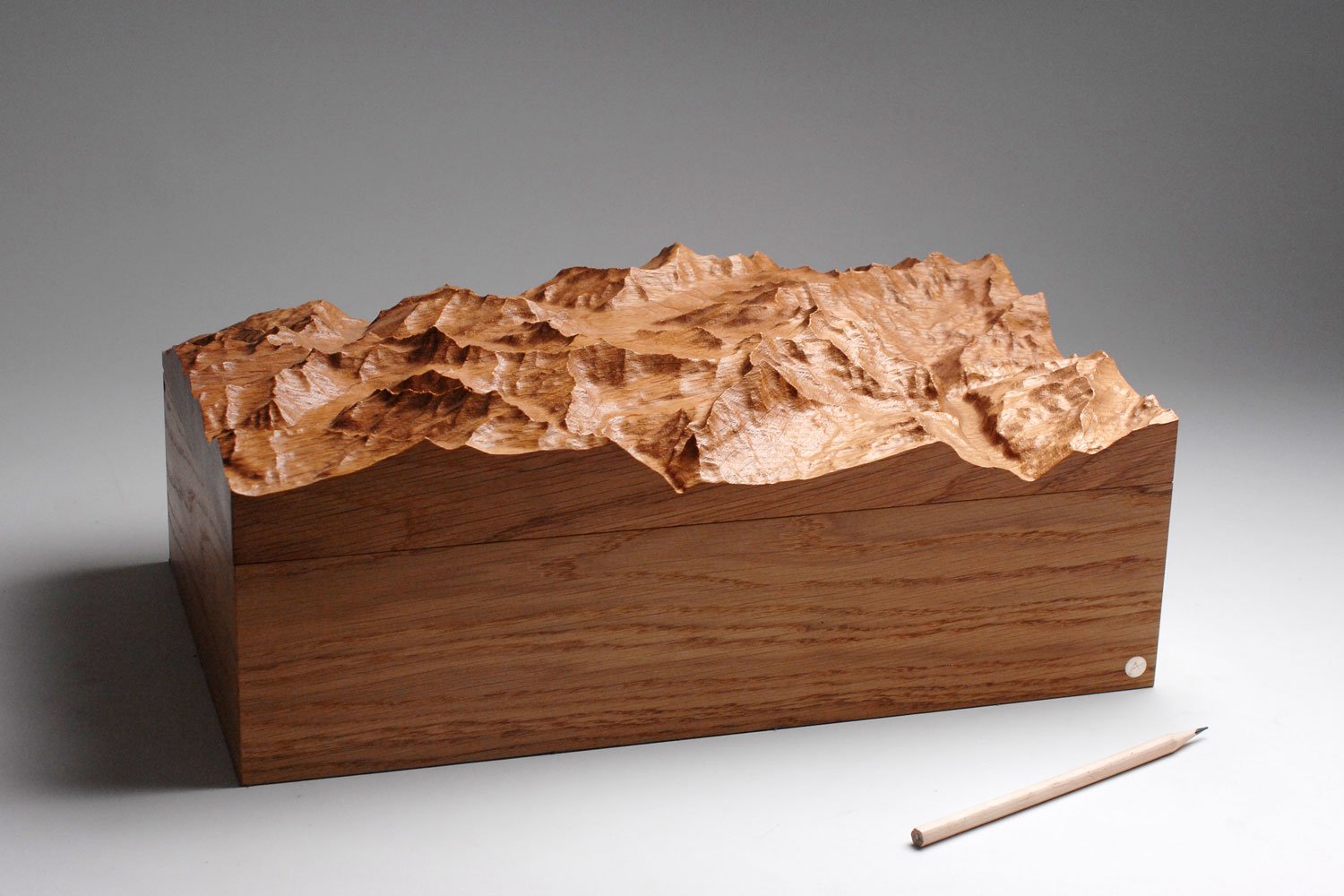
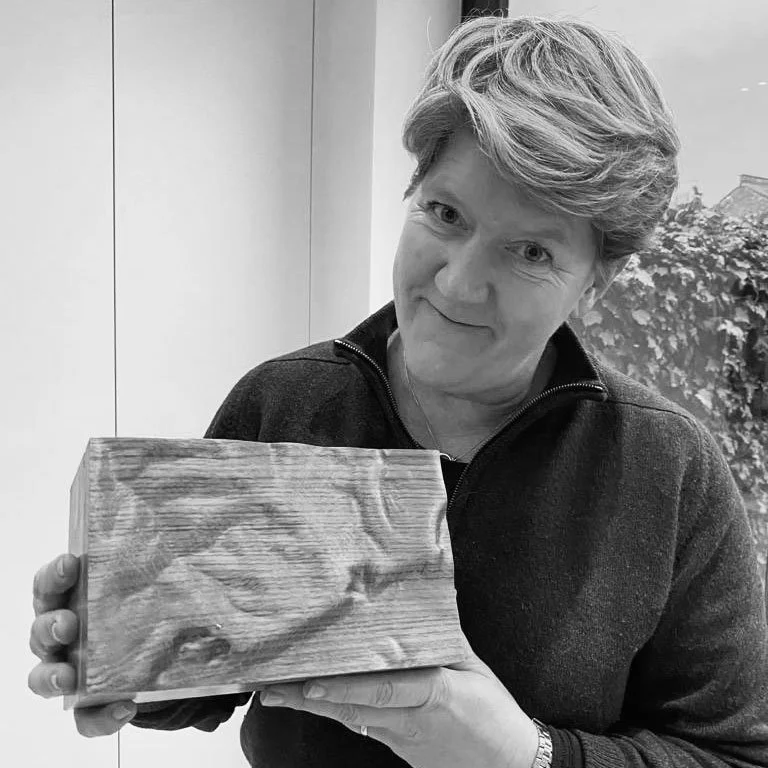
A Contour Box for Clare
Clare Balding has long been a hero of mine so making a Contour Box for her has been a real privilege. I regularly listen to Clare on the radio and one day realised we have something of a common purpose and that is the recording of important stories. During Clare’s ‘Ramblings’ (Radio 4) she will head out for a walk with someone she hasn’t met before and chat about their life stories and how walking in the fresh air has such a soothing effect on challenging times.
“It's always hard to find a present that is beautiful, personal and practical all at the same time but this stunning box, based on the contours of the Downs above Kingsclere was the answer. I'm so pleased with it but more importantly so was my Mum...” Clare Balding 2024
"When we saw Tom's unique Contour Boxes we knew that we had found the perfect wedding gift for our son and his fiancé - a replica of Everest and Basecamp, a special place they trekked to last year. The quality of craftsmanship and the unique design is a delight. This is really is something to treasure"
Andy & Liz Nicholson

Clients have included…